
 Choosing seafood at the grocery store can feel overwhelming. With so many options varying in price, flavor and quality, it can be difficult to know where to start. The taste of fish can make or break a meal, particularly for pickier eaters who are sensitive to strong, “fishy” flavors. Here is a breakdown of the flavor profiles of three popular seafood counter staples, so you can feel confident choosing a fish your whole family will enjoy preparing and eating.
U.S. Farm-Raised Catfish
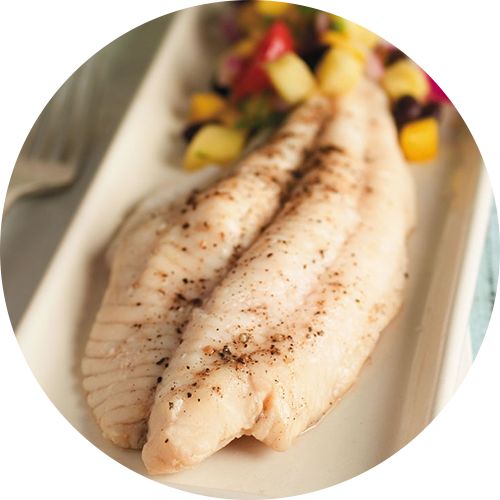 U.S. Farm-Raised Catfish offers a uniquely sweet, mild flavor and firm flesh with less flake than other whitefish varieties. At Heartland Catfish, our fish are fed a high-protein, grain-based floating feed that is specifically designed to float on top of the pond. It is crafted from crop-derived ingredients with no added hormones or antibiotics. This carefully managed diet is what gives Heartland’s catfish their signature mild, clean taste and discourages the fish from foraging for other food sources in the pond.
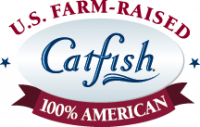
U.S. Farm-Raised Catfish is generally preferred over wild-caught catfish, as fish caught in rivers and open ponds often develop a musty, muddy flavor because of their natural diet (sometimes mud!) and environment. Another thing to be aware of is “imposter” catfish, which is marketed or sold as catfish but is not the real thing.  Species such as pangasius, primarily farmed in Vietnam, are often used as substitutes for genuine U.S. Farm-Raised Catfish. Imported catfish copycats are raised under far less stringent standards than domestic catfish, increasing health concerns and decreasing quality and flavor. To ensure you are buying U.S. Farm-Raised Catfish, look for this logo:
To learn more about how to spot the difference, read the full blog here.
Catfish is one of the most versatile proteins at the seafood counter, as it is adaptable to a wide range of flavor profiles and maintains its mild flavor whether you are baking, frying or grilling. Our personal favorites include blackened catfish in the oven, fried catfish with hushpuppies and tartar sauce and pan-seared catfish with lemony zucchini noodles as a healthier option.
Browse Heartland’s full collection of catfish recipes to find the right preparation for any occasion.
 Salmon
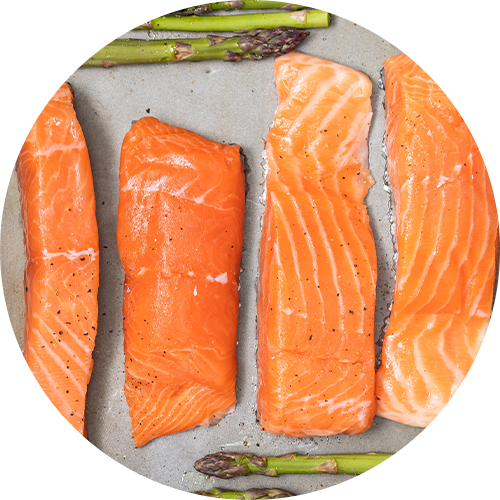
Farmed salmon tends to have a milder taste and a more tender texture than its wild-caught counterpart, which makes it the go-to option for consumers. Its flavor is largely influenced by a plant- and grain-based feed diet, and its higher fat content contributes to a moist, easily flaked fillet once cooked.
Wild-caught salmon carries a stronger, more pronounced fish flavor. The higher the fat content, common in wild salmon, the more dominant the taste is. Wild salmon also consume other fish, plants and algae rather than a controlled feed diet, which contributes to that bolder flavor profile. For consumers who are sensitive to strong fish flavors, farm-raised salmon is generally the more approachable option.
Tilapia
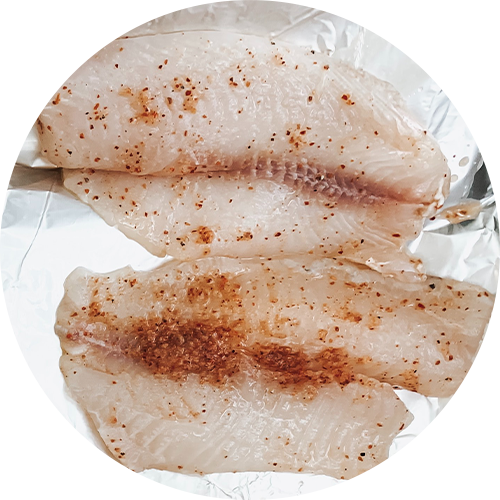
Tilapia is a lean fish with a sweet, mild taste and a medium-firm, flaky texture. Like catfish, its flavor is heavily influenced by water quality and diet during farming. Higher quality tilapia should taste clean and mild, though lower-quality farming practices, particularly those common in overseas operations, can cause tilapia to develop a musty or earthy flavor.
Some describe tilapia as having very little flavor of its own, which makes it a popular pairing for bold sauces and seasonings. However, that neutrality can also mean less character on the plate compared to a well-raised catfish fillet.
Frozen Seafood Deserves a Spot in Your Cart
Frozen seafood is often overlooked, having a reputation for lacking freshness. But when processed correctly, frozen fish can be just as nutritious, flavorful and fresh tasting as what you buy at the seafood counter. Individually Quick Frozen, or IQF, is a method of freezing individual fish fillets at extremely low temperatures within minutes of processing, preventing large ice crystals from forming and preserving the fish’s texture, flavor and nutritional value, often as effectively as fresh fish.
Heartland Catfish Company’s frozen fillets and frozen nuggets are individually quick frozen, locking in peak freshness and the mild, clean flavor our products are known for.
Tips for Shopping the Seafood Counter
No matter which fish you are considering, a few simple habits can help you shop with confidence.
- Ask the seafood counter manager where the fish was sourced and how it was raised – if the fish was previously frozen and what’s good today.
- If the seafood counter has a fishy smell, avoid the product; fresh seafood shouldn’t have an overwhelming odor
- Ensure the fish was properly refrigerated and does not have strange coloring
- Look for clear country-of-origin labeling, and when possible, choose U.S. Farm-Raised products with recognized quality and sustainability credentials. U.S. Farm-Raised Catfish, for example, is rated a “Best Choice” by the Monterey Bay Aquarium’s Seafood Watch program
Now that you have the know-how to choose the seafood you’ll enjoy and pick the best fish with confidence, you are ready for a tasty meal. For more guidance, visit Heartland’s seafood shopping tips blog. When you are ready to cook, explore our full recipe collection for preparation ideas that bring out the best in every fillet.