When it comes to feeding kids well, meat and vegetables tend to receive all the credit, but there’s another piece of the nutrition puzzle that deserves a spot on the plate: fish, and the role it plays in cognitive development. U.S. Farm-Raised Catfish is a low-mercury, DHA-packed protein option that checks all box nutritionists look for, and it’s backed by the FDA. Keep reading to learn what the research says about fish and kids’ cognitive development, and why catfish is one of the easiest, tastiest ways to bring those benefits to your family’s table.
The Brain-Boosting Benefits of Fish
A 2025 systematic review published in The American Journal of Clinical Nutrition dug into 18 studies on fish intake and neurocognitive development in children and adolescents ages 0 to 18. The finding: kids who ate more fish, especially fatty fish, showed improved cognitive development.
A 2026 study out of the Growing Up in Singapore Towards Healthy Outcomes cohort backs this up in a big way. Researchers tracked children’s omega-3 levels at age 8 and found that higher DHA was linked to stronger reading fluency and spelling scores at age 9, plus better exam performance at age 12. A summary from Positively Groundfish points to a study of 217 children where those with the highest fish intake scored an average of 7.2 points higher on a full IQ test than kids with the lowest intake. That’s a significant difference impacted by what’s on the dinner table.
Why is Catfish a Healthy Choice for Kids?
The FDA and EPA list catfish as an official “Best Choice” fish for children, right alongside salmon, shrimp and pollock, and recommend kids eat about two servings of fish per week from that list. The FDA’s guidance for young children goes even further, calling out catfish by name as a particularly low-mercury option that supports brain and immune-system development. That low-mercury status is a big deal. Larger, longer-living fish like swordfish or tuna carry more mercury, which growing kids should avoid. Catfish delivers all the DHA and omega-3 benefits cited in the research above, making it one of the easiest ways to get more fish onto your family’s weekly menu.
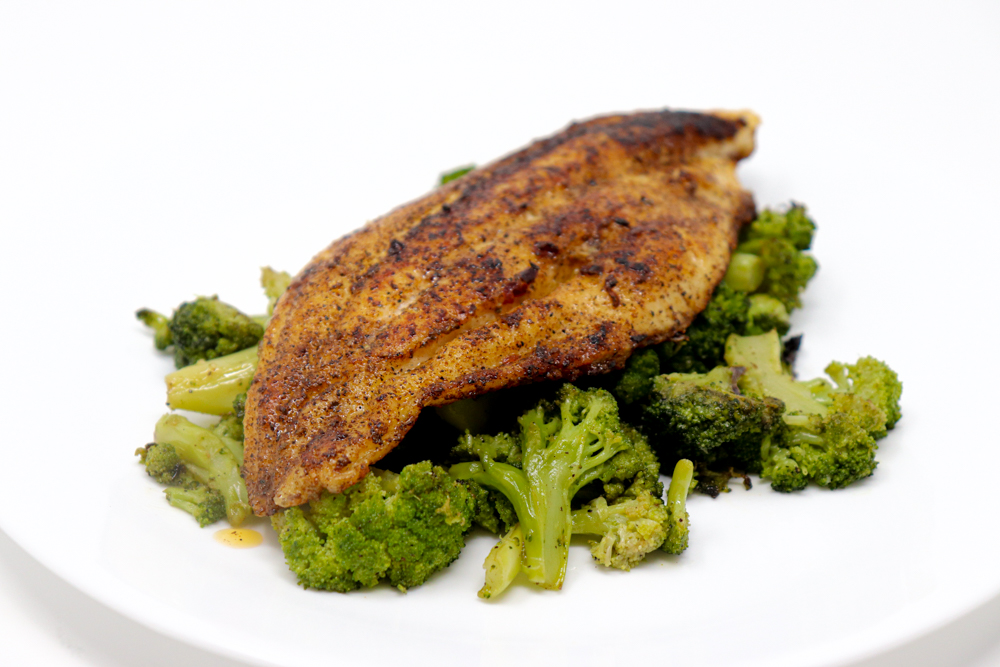
Health Benefits of U.S. Farm-Raised Catfish
According to The Catfish Institute and Monterey Bay Aquarium’s Seafood Watch program, U.S. Farm-Raised Catfish is a smart choice for families:

Lean and protein-rich:
An excellent source of protein, about 15 grams per serving, to support growth, with low levels of saturated fat (as low as 1 gram per serving)

Heart and brain-healthy fats:
A rich source of the omega-3 fatty acids DHA and EPA (up to 300 milligrams per serving), supporting both heart health and brain function

Packed with essential nutrients:
A serving provides vitamin B12 (121% Daily Value) for healthy blood and nerve function, selenium (26% Daily Value) to protect against oxidative damage, phosphorus (24% Daily Value) for strong bones and teeth and potassium (19% Daily Value) for nerve and muscle function
Not bad for one U.S. Farm-Raised Catfish fillet! For growing kids, that combination matters: protein and phosphorus support the muscle and bone growth they need to keep up on the field or the playground, while the DHA and B12 support the kind of brain function and steady energy that helps them stay sharp and focused in the classroom.

Make Catfish A Family Favorite
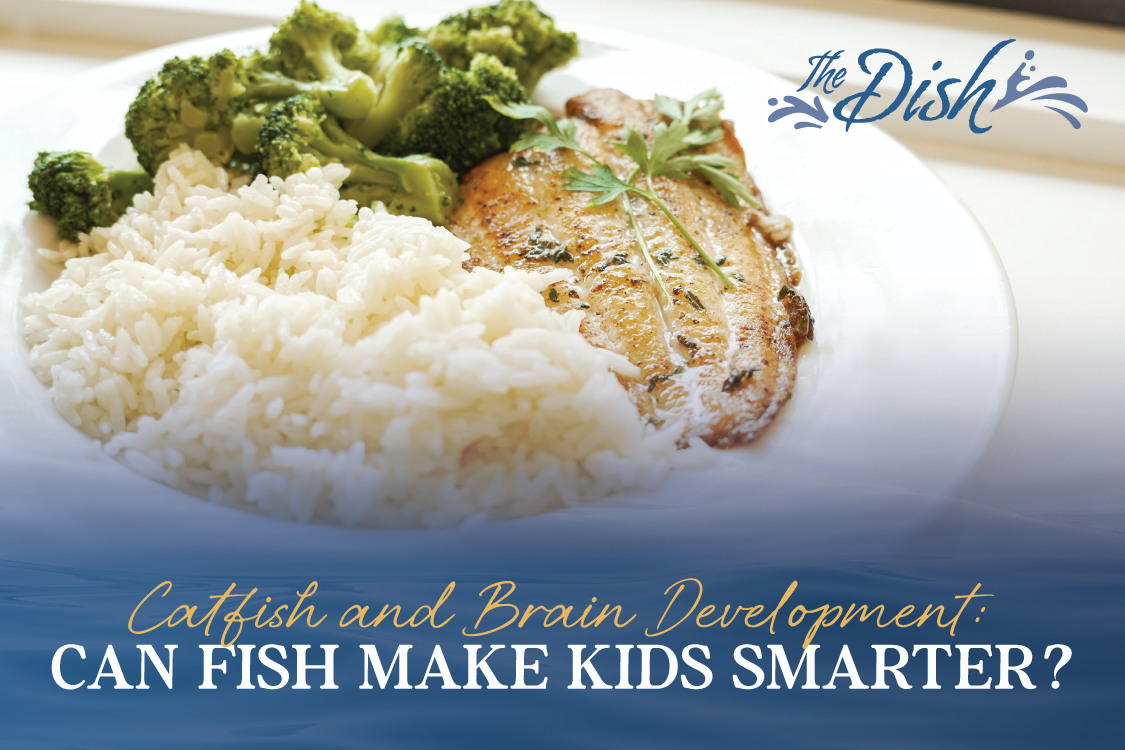
How you cook catfish matters almost as much as including it in your children’s diet in the first place. Mississippi State University Extension Service recommends grilling, broiling, baking, foil-packing or sautéing catfish, rather than deep-frying it. Healthline notes that frying adds significantly more calories and fat than other methods like baking or grilling. That’s good news for a family’s busy weeknight. A simple baked fillet takes minimal effort and keeps more of that nutrition intact.
Catfish also has a built-in advantage with picky eaters. As the Southern Regional Aquaculture Center notes, catfish has a consistently mild flavor, closer to a sweet whitefish than anything “fishy”, which makes it easy to adapt into a wide range of recipes. Baked fillets, catfish nuggets, fish tacos and more: there are endless ways to get the benefits onto the plate without a fight at dinner.
Why Catfish Deserves a Spot at the Table
Children having consistent, moderate fish intake as part of a balanced diet is linked to better cognitive and academic outcomes over time, and the FDA’s two-servings-a-week guidance is a realistic goal for most families.
Catfish makes that goal easy, and delicious, to hit. It’s affordable, low-mercury, kid-approved and backed by real nutrition guidance. If you’re looking for a simple way to add more brain-supporting nutrients to your family meals, catfish is a great place to start! Looking to explore catfish recipes for your children? Browse our full recipe collection to find your family’s next go-to dinner and be sure to tag us on social media when you do!